
Why Professional Drivers Choose Custom Molded Earplugs for Racing

As the sun began to rise over the racetrack, the unmistakable roar of engines filled the air, signaling the start of an exhilarating day of motorsport. For professional drivers, every shift and turn on the circuit is accompanied by a symphony of sounds-some thrilling, others potentially destructive. Amidst this cacophony, custom molded earplugs stand out as a vital piece of equipment for those who prioritize both performance and safety on the track. These finely engineered earplugs, designed specifically for each individual, have become a staple among elite racers. But what makes them so essential? Drivers face a unique set of challenges, with the intense noise levels within racing environments posing significant risks to their hearing health and overall performance. High-frequency sounds, like tire screeches and engine roars, can become overwhelming, distracting drivers at critical moments. Custom molded earplugs offer a tailored solution that not only mitigates noise but also enhances focus, enabling drivers to perform at their best. Let's delve deeper into why these earplugs have garnered such popularity among professional drivers. racing harnesses Understanding the Need for Noise Protection in Racing In the world of motorsport, noise is an omnipresent element, often leading to fatigue and even hearing loss over time. Studies suggest that prolonged exposure to sounds above 85 decibels-common in racing environments-can cause irreversible damage. The racing industry has come to recognize the importance of protecting drivers' auditory health, leading to the adoption of earplugs as a standard practice. Why Professional Drivers Choose Custom Molded Earplugs Custom molded earplugs are crafted to fit the unique contours of an individual's ear, ensuring a snug fit that not only blocks harmful noise but also allows for clear communication with team members. This precision fitting is crucial, as standard earplugs often fail to provide adequate protection or comfort during long hours on the track. Key Features of Custom Molded Earplugs What sets custom molded earplugs apart from conventional options is their specialized design and construction. Here are some key features that make them a preferred choice among professional drivers:
  • Tailored Fit: Custom earplugs are molded specifically to an individual's ear shape, ensuring maximum comfort and stability during use.
  • Noise Reduction: They can significantly reduce sound levels, providing a safer environment without completely isolating the driver from necessary sounds.
  • Durability: Made from high-quality materials, these earplugs can withstand the rigors of racing and last much longer than standard foam options.
  • Communication Enhancement: Despite their noise-blocking capabilities, many models allow for clear communication, essential for team coordination.
  • Moisture Resistance: Custom molded earplugs often feature materials designed to resist sweat and moisture, ensuring they remain effective and comfortable during intense races.
The Process of Getting Custom Molded Earplugs Obtaining custom molded earplugs involves several straightforward steps. Initially, an audiologist or a specialized provider will take an impression of the ear to create a precise mold. This impression process can take just a few minutes and is painless, yet critical for optimal fit and effectiveness. Following this, the mold is sent to a manufacturer who will fabricate the earplugs using high-grade materials, tailored to the driver's needs. https://forum.sigma-ood.com/index.php?topic=323466.0 Top Race Car Parts to Upgrade Your Track Performance The time frame for receiving custom earplugs can vary, but generally, it's a matter of weeks rather than months. Many drivers find the investment in comfort and safety worth the wait, especially given the potential risks associated with noise exposure on the track. Performance Enhancement through Hearing Protection Using custom molded earplugs can significantly enhance a driver's performance. By reducing distracting noise, drivers can better concentrate on their racing strategy, gauge their vehicle's performance, and respond swiftly to dynamic track conditions. Additionally, the ability to communicate with pit crews without needing to remove earplugs offers an edge in coordination and strategy during races. For instance, imagine a driver during a crucial race segment. With ambient noise reduced, they're able to focus entirely on the engine feedback and tire performance, facilitating quicker decision-making. This heightened awareness can mean the difference between winning and losing, particularly in high-stakes situations. Essential Rally Car Parts Every Driver Needs to Succeed Cost Considerations: Are Custom Molded Earplugs Worth It? The investment in custom molded earplugs can vary widely based on the manufacturer and additional features. While they typically range from $150 to $300, many drivers consider them a worthy investment due to their longevity and effectiveness. In comparison, frequently purchasing disposable earplugs can add up over time and may not provide the same level of protection or comfort. RaceAndRally Moreover, the cost should be weighed against the potential risks associated with hearing loss in highly noisy environments. Considering that a single instance of hearing damage can have lifelong consequences, the benefits of custom molded earplugs become even more apparent. To help illustrate the cost-effectiveness, let's consider a simple calculation: If a driver spends $20 per month on disposable earplugs, that's $240 per year. A one-time investment in custom molded earplugs might be recouped in less than a year, all while providing superior comfort and protection. For motorsport enthusiasts and professional teams looking to enhance their racing experience, custom molded earplugs are more than just a luxury; they are a necessary tool for performance and safety. They exemplify how investing in specialized equipment can yield significant benefits both on and off the track.
  1. Purchase custom molded earplugs from a reputable provider.
  2. Schedule an appointment with an audiologist to get a precise ear impression.
  3. Wait for the custom earplugs to be manufactured and delivered.
  4. Enjoy enhanced performance and safety on the racetrack.
Frequently Asked Questions about Custom Molded Earplugs How long do custom molded earplugs last? Typically, custom molded earplugs can last anywhere from 3 to 5 years, depending on usage and care. Proper maintenance can extend their lifespan significantly. Can I use custom molded earplugs for other activities? Yes, these earplugs can be used for various activities beyond racing, including shooting sports, concerts, and other high-noise environments, providing versatile protection. Is the fitting process uncomfortable? No, the fitting process is quick and painless, usually taking only a few minutes to create an accurate mold of your ear. Are there different types of custom earplugs available? Yes, several types are available, including those designed specifically for noise reduction, communication, and even music listening, catering to various needs. How do I clean and maintain my custom earplugs? Cleaning typically involves rinsing with mild soap and water, ensuring they are thoroughly dried before storage to maintain their integrity. Where can I purchase custom molded earplugs? They can be purchased from audiologists, specialized earplug manufacturers, and some online retailers, ensuring a reliable source for quality products.

Exploring the Range of Bell Helmets at Race and Rally

Every motorsport enthusiast knows the rush of adrenaline that comes with hitting the track. From the roar of the engine to the precision of every turn, the thrill of racing is unmatched. However, behind every exhilarating moment lies a need for safety, and that's where high-quality helmets come into play. Bell helmets, renowned for their engineering excellence and rigorous safety standards, have become a staple among racers and rally drivers alike. At Race and Rally, you can explore a comprehensive range of Bell helmets tailored for the demands of various motorsport disciplines. Imagine gearing up for an intense race day, knowing that you have the best equipment protecting you. Bell helmets not only provide superior protection but also offer comfort and style, making them a favorite among professional and amateur racers. With their FIA-compliant designs, these helmets are rigorously tested to ensure they meet the highest safety standards. In this article, we will delve into the diverse range of Bell helmets available at Race and Rally, highlighting their features, benefits, and what makes them a vital part of any racing or rally setup. Race and Rally Equipment What Makes Bell Helmets Stand Out in Motorsports? Bell helmets have gained a reputation for their commitment to safety and performance. The engineering behind these helmets is rooted in decades of innovation in the motorsport industry. Each helmet is crafted to absorb and dissipate impact forces, reducing the risk of injury in case of an accident. Additionally, Bell helmets are designed with superior ventilation systems to keep drivers cool during intense races, allowing for optimal focus and performance. Essential Rally Car Parts Every Driver Needs to Succeed Safety Standards and FIA Compliance One of the core reasons to choose Bell helmets is their compliance with FIA standards. The FIA (Fédération Internationale de l'Automobile) regulates safety equipment in motorsports, and Bell helmets consistently meet these stringent requirements. This compliance ensures that every helmet is not only safe but also suited for various racing conditions, whether on the circuit or in rally stages. When you wear a Bell helmet, you can race with confidence, knowing it has undergone rigorous testing. Variety of Designs for Every Racer Bell helmets come in various designs and styles, catering to different racing disciplines. Whether you are a track racer, rally driver, or a karting enthusiast, there's a Bell helmet designed for you. For instance, the Bell GT5 and Bell RS7 have become popular choices for their lightweight construction and aerodynamic design, enhancing driver performance without compromising safety. These helmets feature a snug fit and customizable options for visors, allowing drivers to adapt to different environments and personal preferences. Exploring the Range of Bell Helmets at Race and Rally Exploring the Range of Bell Helmets at Race and Rally At Race and Rally, you will find an extensive assortment of Bell helmets that cater to the specific needs of different racers. Understanding the various models and their unique features can help you make an informed choice. Below is a comparative table showcasing some of the popular Bell helmet models available: roll cages and padding
Model Weight FIA Compliance Ventilation Visor Options Bell GT5 1300g Yes Advanced Multiple Bell RS7 1200g Yes Enhanced Multiple Bell K1 Pro 1350g Yes Standard Single Bell HP7 1250g Yes Premium Multiple
This table illustrates the weight, compliance, ventilation features, and visor options of several Bell helmet models, highlighting the differences that can influence your selection. For example, if you prioritize a lightweight helmet for better performance, the Bell RS7 would be an ideal choice. Conversely, if ventilation is your primary concern during prolonged races, the Bell HP7 may suit your needs better. How to Choose the Right Bell Helmet for Your Needs? Selecting the right Bell helmet involves considering various factors, including fit, comfort, and intended use. Here's a step-by-step guide to help you make an informed decision: A Comprehensive Guide to Motorsport Safety Equipment
  1. Determine Your Racing Discipline: Identify whether you will be participating in track racing, rally driving, or another motorsport. Each discipline may require specific helmet features.
  2. Assess Your Budget: Bell helmets vary in price based on features and materials. Set a budget to narrow down your options without compromising safety.
  3. Try Before You Buy: If possible, try on different models to find the best fit. A properly fitting helmet is crucial for safety and comfort.
  4. Consider Customization: Look for helmets that allow for visor and padding customization to suit your preferences and needs.
By following these steps, you can identify the Bell helmet that best suits your racing style and safety requirements. Proper selection enhances the overall racing experience by ensuring comfort and reliability on the track. Additional Gear to Complement Your Bell Helmet While a high-quality helmet is essential, it's also important to consider other gear that contributes to your overall safety and performance. At Race and Rally, you can find various racing suits, gloves, and other protective equipment designed to work in tandem with your Bell helmet. A fire-resistant race suit, for example, can provide additional safety during high-speed racing, ensuring you're equipped for any scenario. Race & Rally Top Race Car Parts to Upgrade Your Track Performance Investing in a complete safety setup, including head and body gear, can significantly enhance your protection on the track. This holistic approach is vital for both amateur and professional racers who want to ensure their safety while pushing their limits. Maintaining Your Bell Helmet for Longevity To ensure that your Bell helmet remains in optimal condition, proper maintenance is crucial. Regularly inspect the helmet for any signs of wear or damage, especially after a race. Clean the exterior and interior using mild soap and water to keep it free from dirt and debris. Additionally, check the visor for scratches or cracks, replacing it as necessary to maintain clear visibility. It's also recommended to store your helmet in a cool, dry place and avoid exposing it to extreme temperatures. Following these maintenance tips will help extend the lifespan of your helmet, ensuring it continues to provide reliable protection for many races to come. Localized FAQ Heading How much do Bell helmets cost? The price of Bell helmets can range from approximately $400 to over $1,500, depending on the model and features. It's advisable to check with retailers for specific pricing. Is it necessary to replace a helmet after an accident? Yes, it is crucial to replace a helmet after any significant impact, as it may have sustained damage that could compromise its safety features. What is the best Bell helmet for rally racing? The Bell RS7 is often recommended for rally racing due to its lightweight design and excellent ventilation, making it suitable for various environmental conditions. Can I customize my Bell helmet? Yes, many Bell helmet models offer customization options for visors and interior padding to enhance comfort and functionality based on personal preferences. How often should I clean my helmet? It's recommended to clean your helmet after every few races or whenever it appears dirty, as maintaining hygiene contributes to the helmet's longevity and performance.

The Ultimate Guide to Choosing Lightweight Alloy Wheels for Rallying

When it comes to rallying, every component of your vehicle plays a crucial role in performance. One of the most significant upgrades you can make is choosing the right set of lightweight alloy wheels. However, with various options available, motorsport enthusiasts often find themselves facing the dilemma of selecting wheels that not only enhance performance but also meet safety and compliance standards. The challenge lies in navigating the balance between weight, durability, and cost, all while ensuring that the wheels will withstand the rigorous demands of competitive racing. This guide aims to simplify the process of choosing lightweight alloy wheels for rallying by addressing key considerations and providing practical advice. Whether you are an amateur racer or part of a professional team, understanding the essential features of alloy wheels will help you make informed decisions that enhance your vehicle's capabilities on the track. rally car preparation Why Choose Lightweight Alloy Wheels for Rallying? Alloy wheels are favored in the rallying community for several reasons. First and foremost, their lightweight nature contributes to improved acceleration, braking, and handling. When a wheel is lighter, it reduces the overall unsprung weight of the vehicle, allowing for better suspension response and increased traction. These factors are critical during rally stages, which often include tight corners and varying terrains. A Comprehensive Guide to Motorsport Safety Equipment Moreover, lightweight alloy wheels typically have better thermal properties than their steel counterparts. They dissipate heat more effectively, which can lead to improved brake performance and reduced chances of brake fade during intense racing conditions. Lastly, many alloy wheels comply with FIA regulations, ensuring they meet the safety standards required for competitive rallying. Key Factors to Consider When Selecting Alloy Wheels Choosing the right lightweight alloy wheels involves understanding several critical factors. These aspects impact both performance and safety, making them essential considerations for any rally driver. 1. Wheel Size and Fitment The size of the alloy wheel significantly influences your vehicle's performance. A larger wheel can improve handling and cornering but may also lead to a rougher ride if not paired with appropriate tires. Ensure that the wheel size fits your vehicle's specifications and suspension setup. Check the vehicle's manual or consult with a professional if you are uncertain about the correct fitment. Essential Rally Car Parts Every Driver Needs to Succeed 2. Weight vs. Strength While a lighter wheel improves acceleration, it is crucial not to sacrifice strength for weight savings. High-quality alloy wheels can offer both lightweight properties and enhanced durability. Look for wheels made from high-grade aluminum alloys, which provide the necessary strength to withstand the rigors of rallying without adding excessive weight. For instance, suppose you consider two wheels: one weighs 8 kg and the other 10 kg. The lighter wheel may seem preferable for acceleration; however, if the heavier wheel offers superior strength and durability against impacts, it may be the better choice for rallying conditions. rally equipment 3. Design and Construction Quality The design of the alloy wheel can also affect performance. Forged wheels, for example, are typically stronger and lighter than cast wheels, making them a popular choice among professional teams. Additionally, the wheel's finish and coating play a role in long-term durability, especially in environments where dirt, moisture, and corrosive elements are prevalent. The Ultimate Guide to Choosing Lightweight Alloy Wheels for Rallying 4. Compliance with FIA Regulations Always ensure the wheels you select comply with FIA regulations. Compliance is not just a legal requirement; it is vital for safety. FIA-approved wheels have been tested under rigorous standards to ensure they can withstand the extreme conditions of rally racing. Using non-compliant wheels could jeopardize safety and lead to disqualification during timed events. How to Evaluate the Best Brands for Rally Wheels With numerous brands on the market, evaluating which manufacturers produce the best lightweight alloy wheels is essential. Look for companies with a proven track record in motorsport and positive customer feedback. Consider reviewing the following aspects: 1. Reputation in Motorsport Brands that have established themselves in the racing community, such as those supplying professional rally teams, often have a wealth of experience and technical knowledge. These companies frequently invest in research and development to improve their products continually. 2. Customer Reviews and Feedback Reading customer reviews can provide insights into the performance and reliability of different wheel options. Look for testimonials from fellow enthusiasts or racers who have used the wheels in similar conditions as your intended use. Choosing the Best Race Suits for Optimal Comfort and Safety 3. Warranty and Support A solid warranty can indicate a manufacturer's confidence in their product's quality. Choose brands that offer customer support and have responsive service in case issues arise. Race and Rally Parts Balancing Cost and Quality: Finding the Right Alloy Wheels Budget often influences the decision-making process when selecting alloy wheels. While it may be tempting to opt for cheaper options, investing in high-quality wheels can pay off in terms of performance and safety. Consider the following strategies to balance cost and quality: First, prioritize essential features such as weight, durability, and compliance with FIA standards. Instead of focusing solely on price, consider the long-term benefits of quality wheels that may save you money on repairs and replacements over time. Second, look for seasonal sales or manufacturer promotions that offer high-quality wheels at discounted prices. Many brands frequently run campaigns to attract motorsport enthusiasts, providing opportunities to get the best value. Top Race Car Parts to Upgrade Your Track Performance Maintenance Tips for Your Alloy Wheels Once you've invested in a set of lightweight alloy wheels, maintaining them becomes crucial for longevity and performance. Here are some essential maintenance tips: Regularly clean your wheels to remove dirt, brake dust, and road grime. Contaminants can lead to corrosion or staining if left unattended. Use a mild soap and soft cloth to avoid scratching the surface. Additionally, inspect the wheels periodically for any signs of damage or wear. Look for cracks or bends, especially after rough rally stages. Addressing issues early can prevent more severe problems down the line. Lastly, ensure proper tire pressure is maintained. Incorrect tire pressure can lead to uneven tire wear and affect handling. Check the manufacturer's recommendations for optimal pressure settings. Conclusion: Making Informed Choices for Your Rally Setup Choosing the right lightweight alloy wheels is a critical step in optimizing your rally vehicle's performance and safety. By considering factors like wheel size, weight, construction quality, and brand reputation, you can make informed decisions that enhance your racing experience. Remember, quality wheels not only improve your vehicle's performance but also contribute to your overall safety on the track. Investing in reliable, FIA-compliant alloy wheels ensures you are well-prepared for the challenges of rallying, allowing you to focus on what truly matters: racing. Frequently Asked Questions How much do lightweight alloy wheels typically cost? The cost of lightweight alloy wheels can vary significantly based on brand, materials, and size. Generally, prices range from $100 to $500 per wheel. What is the difference between forged and cast alloy wheels? Forged alloy wheels are made from a single piece of metal, resulting in a stronger and lighter product compared to cast wheels, which are created by pouring molten metal into a mold. How do I know if my wheels are FIA compliant? Check for markings or certifications on the wheel itself. Manufacturers typically indicate FIA compliance on the wheel or in the product specifications. Can I use non-FIA compliant wheels for rallying? While technically possible, using non-FIA compliant wheels is not recommended as they may pose safety risks and could result in disqualification during competitive events. How often should I inspect my alloy wheels? It is advisable to inspect your alloy wheels after each rally event, looking for any signs of damage, such as cracks or bends, and ensure they remain in good condition. What maintenance is required for alloy wheels? Regular cleaning to remove dirt and brake dust, periodic inspections for damage, and maintaining proper tire pressure are essential for keeping alloy wheels in optimal condition.

The Importance of Quality Wheel Studs and Nuts in Motorsport

Have you ever considered how crucial wheel studs and nuts are in motorsport? These seemingly simple components play an essential role in securing your wheels to the vehicle, providing the safety and performance required during high-speed racing and intense track events. While many might overlook them in favor of flashy upgrades or advanced technology, the reality is that the strength and reliability of wheel fastening systems can make all the difference on the track. Whether you are an amateur racer preparing for your first event or a professional team aiming for the podium, understanding the importance of investing in quality wheel studs and nuts is vital. This article will delve into why these components matter, how to choose the right ones, and the long-term benefits they provide for your motorsport journey. Race and Rally Equipment Why Quality Wheel Studs and Nuts Matter in Racing In motorsport, every component of a race car must perform perfectly under extreme conditions. Wheel studs and nuts are no exception. These parts are subjected to immense forces during acceleration, braking, and cornering, making their quality paramount. Poorly manufactured studs and nuts can lead to wheel detachment, resulting in catastrophic accidents. High-quality components ensure proper torque specifications are met, maintaining wheel integrity throughout the race. The Importance of Quality Wheel Studs and Nuts in Motorsport Understanding the Differences: Standard vs. Motorsport-Grade Components Many racers wonder if standard wheel studs and nuts are adequate for competitive environments. While standard components may work for everyday driving, they often lack the durability and strength needed for motorsport applications. Motorsport-grade wheel studs and nuts are typically made from high-tensile strength materials such as alloy steel and are subjected to rigorous testing to ensure they can withstand extreme conditions. Key differences include:
  • Material Quality: Motorsport components often utilize specialized alloys for enhanced strength and reduced weight.
  • Tensile Strength: These components are tested for higher tensile strength, ensuring they can handle the intense forces during races.
  • Design Features: Motorsport studs and nuts may include additional design elements such as flanged nuts for better load distribution.
How to Select the Right Wheel Studs and Nuts for Your Vehicle Choosing the best wheel studs and nuts involves several considerations to ensure safety and performance. Here are the steps to help you make an informed decision: Check Compatibility: Ensure that the studs and nuts are compatible with your vehicle's specifications, including thread size and length. Essential Rally Car Parts Every Driver Needs to Succeed Focus on Material: Look for high-tensile steel or other premium materials that can withstand racing stresses. vehicle preparation gear Assess the Design: Evaluate design features such as flanged nuts or integrated locking systems for added security. Research Brands: Opt for reputable brands that are known in the motorsport community for reliability and performance. Top Race Car Parts to Upgrade Your Track Performance Safety Considerations When Using Wheel Studs and Nuts Safety is paramount in racing, and the right wheel studs and nuts can significantly impact it. Regular inspection and maintenance of these components can prevent failures on the track. It is crucial to ensure that the nuts are properly torqued to the manufacturer's specifications before every race. Using a torque wrench can help achieve the correct tension and ensure that they do not loosen during high-speed maneuvers. Furthermore, consider investing in a quality set of motorsport safety equipment to complement your wheel components. This includes fire-resistant clothing and proper helmets, ensuring that if an accident occurs, you are as safe as possible. Pros and Cons of Upgrading to Quality Wheel Studs and Nuts When considering whether to invest in quality wheel studs and nuts, weighing the pros and cons is essential. racing helmets and visors A Comprehensive Guide to Motorsport Safety Equipment Pros:
  • Enhanced safety through superior strength and reliability.
  • Improved performance under racing conditions.
  • Greater longevity compared to standard parts.
  • Compatibility with performance upgrades and modifications.
Cons: Higher initial cost compared to standard options. May require specialized installation tools or techniques. Limited availability at local auto parts stores. Real-World Examples of Failures Due to Poor Wheel Fastening Systems Understanding the real-world implications of using inferior wheel studs and nuts is crucial. Numerous incidents in motorsport history underline the importance of quality. For instance, there have been cases where subpar wheel components led to catastrophic failures during races, resulting in severe crashes. These instances often serve as wake-up calls for racers to reevaluate their equipment choices. Imagine a scenario where a competing team opts for cheaper, standard wheel fastening components. During a high-speed corner, one of the wheels detaches due to inadequate strength, causing the car to spin out of control. The ramifications extend beyond just the race — they can affect the safety of other drivers and fans alike. Conclusion: Investing in Quality for Long-Term Performance In the world of motorsport, every detail counts. Investing in high-quality wheel studs and nuts is not just about improved performance; it's also about safety and reliability. By choosing robust, FIA-compliant components, you are setting yourself up for success on the track while ensuring the safety of everyone involved. Prioritize these essential parts to guarantee that your vehicle is ready to perform at its best, allowing you to focus on what truly matters — the thrill of the race. Frequently Asked Questions How often should I replace my wheel studs and nuts? It is advisable to inspect your wheel studs and nuts after every race and replace them if any signs of wear or damage are detected. Are there specific torque settings for wheel studs and nuts? Yes, torque settings vary by vehicle and component; always refer to the manufacturer's specifications for the correct settings. Can I use regular automotive wheel nuts for racing? Regular automotive wheel nuts may not provide the strength or reliability needed for racing applications, making it crucial to use motorsport-grade components. What materials are best for racing wheel studs? High-tensile steel and specialized alloys are preferred for their strength and resistance to deformation under stress. How do I know if my wheel studs are compatible with my vehicle? Check your vehicle's specifications for thread size, length, and any manufacturer recommendations regarding wheel components. Do I need special tools to install racing wheel studs and nuts? Specialized tools like torque wrenches may be necessary to ensure proper installation and adherence to torque specifications.

Top Considerations When Buying a Used Rally Car for Parts

Understanding the Role of Sump Guards in Rallying Sump guards, also known as oil sump protectors, are designed to shield the oil pan of a vehicle from damage. In rally racing, the oil sump is particularly vulnerable due to its position at the vehicle's lowest point, making it susceptible to impacts from stones and other objects on rugged surfaces. A single impact can lead to oil leaks, engine failure, or even catastrophic accidents.

7. GPS Device or Rally Computer While co-drivers often rely on their notes, having a GPS device or a rally computer can provide real-time location updates and performance data. These devices can help track the car's speed, distance traveled, and even assist with navigation. Some advanced rally computers are programmable, allowing co-drivers to set up route information for quick access during the race. Race & Rally

For example, different components such as safety harnesses, roll cages, and fire extinguishers must meet particular FIA ratings. Without these certifications, you risk disqualification from races. Therefore, it's advisable to verify the certification of each part you consider purchasing.

For instance, if the majority of the weight is towards the front, the car may exhibit understeer, where the front tires lose grip, causing the car to push wide in corners. Conversely, too much weight at the rear could result in oversteer, where the rear tires lose traction, making the car spin out. Therefore, a well-balanced weight distribution is essential for maximizing performance and safety on the rally stage.

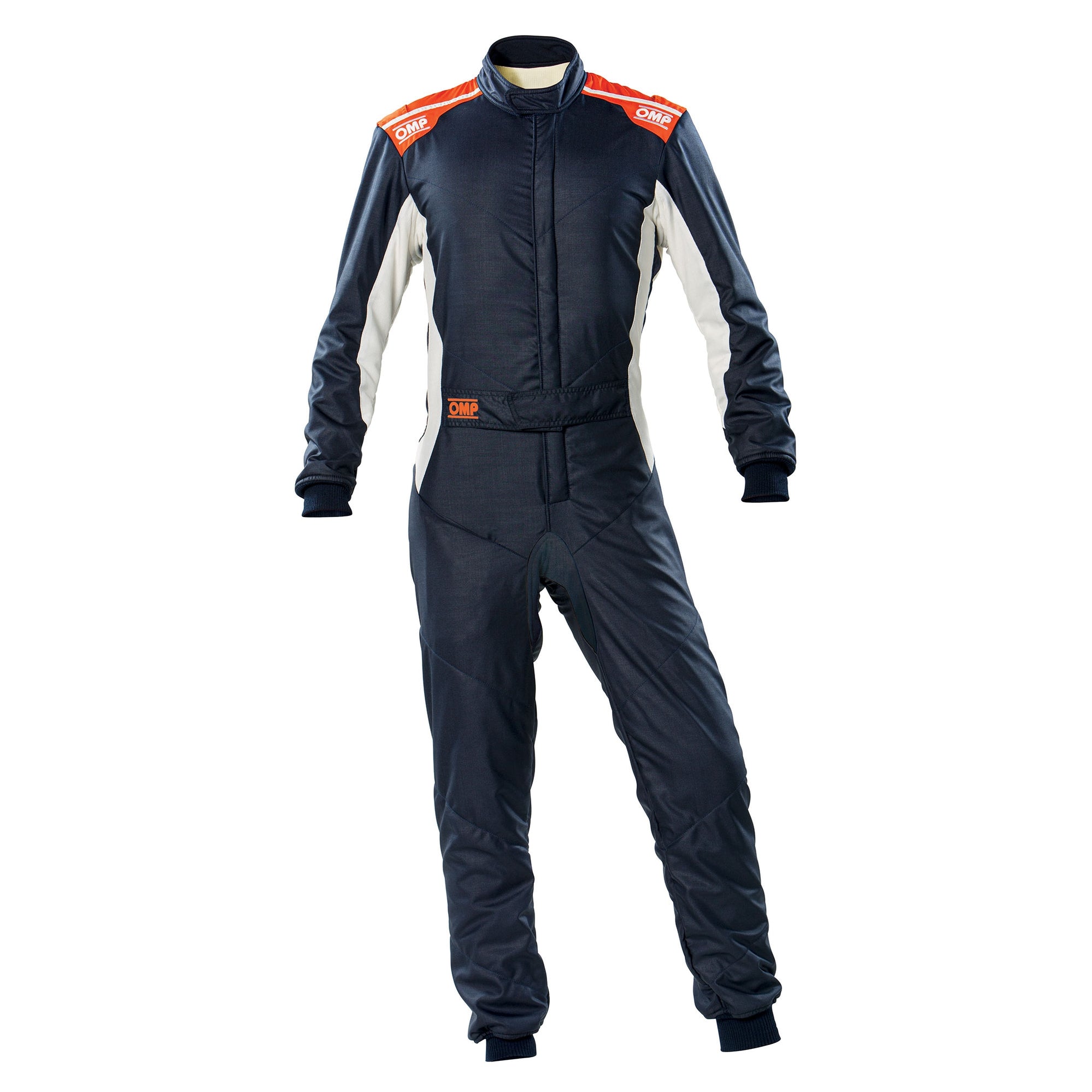
What Innovations Are Driving Safety in Race Suits? Safety is a top priority in motorsport, and recent innovations in race suit technology are making significant strides in this area. New developments include the integration of advanced fire-retardant materials and enhanced impact protection systems. For example, many manufacturers are now incorporating layers of fire-resistant foam that provide additional cushioning in case of an accident.

Where to Find Quality Used Rally Car Parts Finding reliable sources for used rally car parts can be challenging. Start by exploring online platforms that specialize in motorsport components. Websites and forums dedicated to motorsport enthusiasts often feature classified sections where you can find used parts from private sellers. Race & Rally

Driving style: Understanding your driving style can help determine the most suitable brake pad type. Aggressive drivers may require pads that excel at high heat, while smoother drivers might prioritize low dust and noise.

Cost Considerations for Sump Guards While the initial investment in a sump guard may seem substantial, the potential savings from preventing oil leaks and engine damage can far outweigh these costs. A quality sump guard can range from a few hundred to over a thousand dollars depending on the material and design. For example, while an aluminum sump guard might cost around $400, a high-end composite option could reach up to $1,200. However, considering that repairs for an oil pan can run into the thousands, the cost of a sump guard is a worthwhile investment for any serious rally team.

Location of the engine and transmission, placement of the fuel tank, suspension setup, and weight of additional components (e.g., safety gear). For example, a vehicle with a front-mounted engine and a rear-mounted fuel tank may have a front-heavy bias that adversely affects handling. Understanding these factors allows teams to strategically place components to enhance performance. Race & Rally

Whether you're upgrading your existing setup or preparing a vehicle for competitive racing, understanding the nuances of buying used rally car parts is crucial. This guide will outline key considerations that can help you make informed decisions and avoid potential pitfalls. Race & Rally

Given the intensity of gravel stages, many motorsport enthusiasts, whether amateur racers or professional rally teams, understand that investing in high-quality rally car parts is vital. Sump guards serve as a frontline defense against rocks, debris, and other hazards. In this article, we will explore the importance of sump guards in gravel racing, including their benefits, types, and how they contribute to overall vehicle safety. Race & Rally

Investing in high-quality brake pads is essential for any serious racer. Not only do they improve performance, but they also provide critical safety measures. Whether you're an amateur racer or part of a professional rally team, sourcing the best equipment, including racing harnesses, racing helmets, and visors, is imperative for a successful racing experience. To elevate your vehicle's performance while ensuring safety, consider exploring options for high-quality brake pads that meet your competitive racing needs.

Exploring Cost Vs. Quality: Is It Worth the Investment? The cost of high-quality race suits can be significant, leading many racers to question whether the investment is justified. While it is possible to find more affordable options, the superior safety features and performance enhancements provided by high-quality suits can be invaluable. Race & Rally